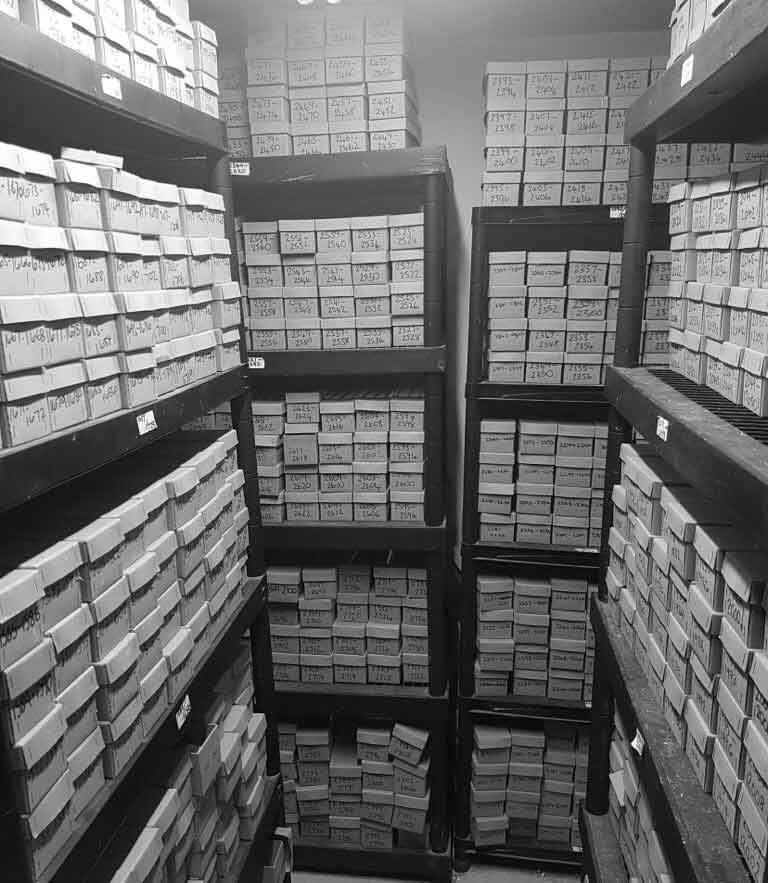
Most practices have boxes of old plaster study models taking up space. Clearing them out is sensible, but gypsum has its own disposal rules.
Why plaster can’t go in general waste
Dental plaster and stone are gypsum (calcium sulphate). In ordinary landfill, mixed with biodegradable waste in wet, low-oxygen conditions, bacteria break gypsum down into hydrogen sulphide, a toxic and foul-smelling gas. For that reason gypsum isn’t allowed to be landfilled with biodegradable waste in the UK. It has to be kept separate and sent for recycling or to a specially engineered landfill cell.
What that means for your practice
- Segregate it: keep gypsum models in their own labelled container, away from general and recycling waste.
- Use a licensed contractor: clean gypsum models are usually collected as non-infectious healthcare waste (European Waste Catalogue code 18 01 04) by a registered waste carrier.
- Keep the paperwork: under the waste duty of care, you need a waste transfer note for each collection. In England and Wales, keep them for at least two years.
- Contaminated models are different: models or casts contaminated with potentially infectious material go in the infectious (yellow) waste stream instead.
- Remove patient details: take off or destroy any labels that identify patients before the models leave the practice.
Local rules and contractor requirements vary, especially in Scotland and Northern Ireland, so check with your waste contractor.
Go digital first
Before you dispose of study models, you may need to keep a record of them. We scan plaster models on our in-house 3Shape desktop scanner and send you 3D digital study models, which open in 3Shape’s free OrthoViewer. You can rotate, zoom and measure them, and print a physical copy whenever you need one.
Once they’re scanned, we send your plaster models back to you, or we can dispose of them for you through the correct waste stream for an extra charge.